- 1 Fusionopolis Way #03-04 Connexis Singapore 138632
- customerservices@fusiondental.com.sg

5 Dental Symptoms that you should not ignore
Review all of products valve in Naman Tech
December 1, 2015
How to have naturally beautiful teeth ?
August 31, 20175 Dental Symptoms that you should not ignore

Dentist advised “5 Dental Symptoms that you should not ignore”
The dentist – who will give you the best advice about your teeth. If you are suffering from 5 dental symptoms below. You should take the time to visit the dental clinic so they can give you advice and timely support. Before oral symptoms interfere with your activities
1. A Sore or Spot That Will not Heal
Tender areas, sores, and ulcers in your mouth can let you know about some of your current dental health conditions. Some if not most of them can affect more than just your teeth and gums’s health.
For example, dental wounds that do not heal themself can sometimes indicate diabetes. People who have diabetes will need a longer time to heal than those who do not;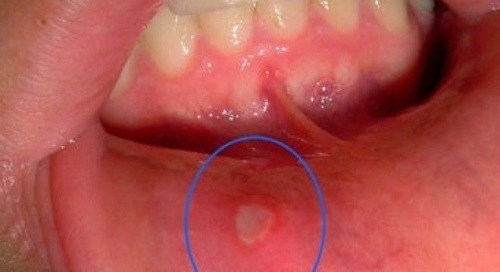
If you have a wound in your mouth that does not heal or less painful in a week or two, make an appointment to see your dentist and your primary care doctor. You may need to have your blood sugar levels checked to ensure they are not too high.
Spots or sores in your mouth can sometimes appear as white areas called leukoplakia or as red lesions called erythroplakia. In more serious cases, these lesions might be linked to oral cancers.
Additional symptoms:
– Hoarseness
– Ear pain
– Numbness in the tongue or throat area
– Jaw swelling
– Trouble moving the jaw or tongue
– Trouble swallowing
If you’re experiencing any of the above listed symptoms, you should find a good dentist and visit them.
2. Swollen or Bleeding Gums
Seeing blood on your toothbrush or in the sink after brushing your teeth. Healthy gum tissue should not be bleeding unless you’re brushing too aggressively.
Your gums or gingiva’s job is to keep your teeth in one place. They are responsible for creating a barrier between your roots, blood vessels, and nerves, and the foods you eat as well as the drinks you drink. You can lose your teeth if you do not take care of your gum tissue well enough.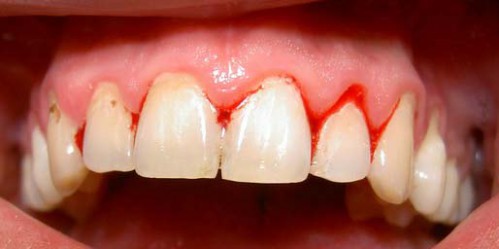
Bleeding or swollen gums can show that you are having periodontal or gum disease. This means you should have a significant amount of bacteria in your mouth that cause inflammation in your gums. According to our research, half of all adults older than 30 years old are having gum disease. Please visit the dentists to have them examine your gum tissue and teeth.
3. Bad Breath
Sometimes bad breath as simple as the result of your garlic-filled dinner or that you just need to drink some water. But how ever in some cases, chronic bad breath can also be a symptom of:
– Dry mouth
– Gum disease
– Poor oral hygiene
– Tobacco / Smoking Products
– Mouth, nose, and throat’s infection
4. Temperature Sensitivity
You will be experiencing increased sensitivity after dental procedures like crown placements or cavity fillings.
Unexplained and / or sudden changes to your dentist. Increased hot and cold sensitivity is a sign of a dental abscess, which is a bacterial infection of the teeth or gum areas.
More dental abscess symptoms also include a severe toothache, fever, or tender lymph nodes under your jaw or in your neck. If you are also having facial swelling, seek the dentist for emergency care as soon as possible. If it’s left untreated, the infection will spread throughout your body and become very dangerous.
Increased sensitivity to temperature can also mean that you have a cavity or that your dental enamel is thinning. A dentist is able to give proper treatment for both of these problems.
5. Pain
Pain can indicate that your mouth is not as healthy as it should be. While the pain may go away for a while while, it’s most likely to return. Make an appointment to see your dentist for a check-up as soon as possible for immediate check-up and proper treatment.